
2025
What?
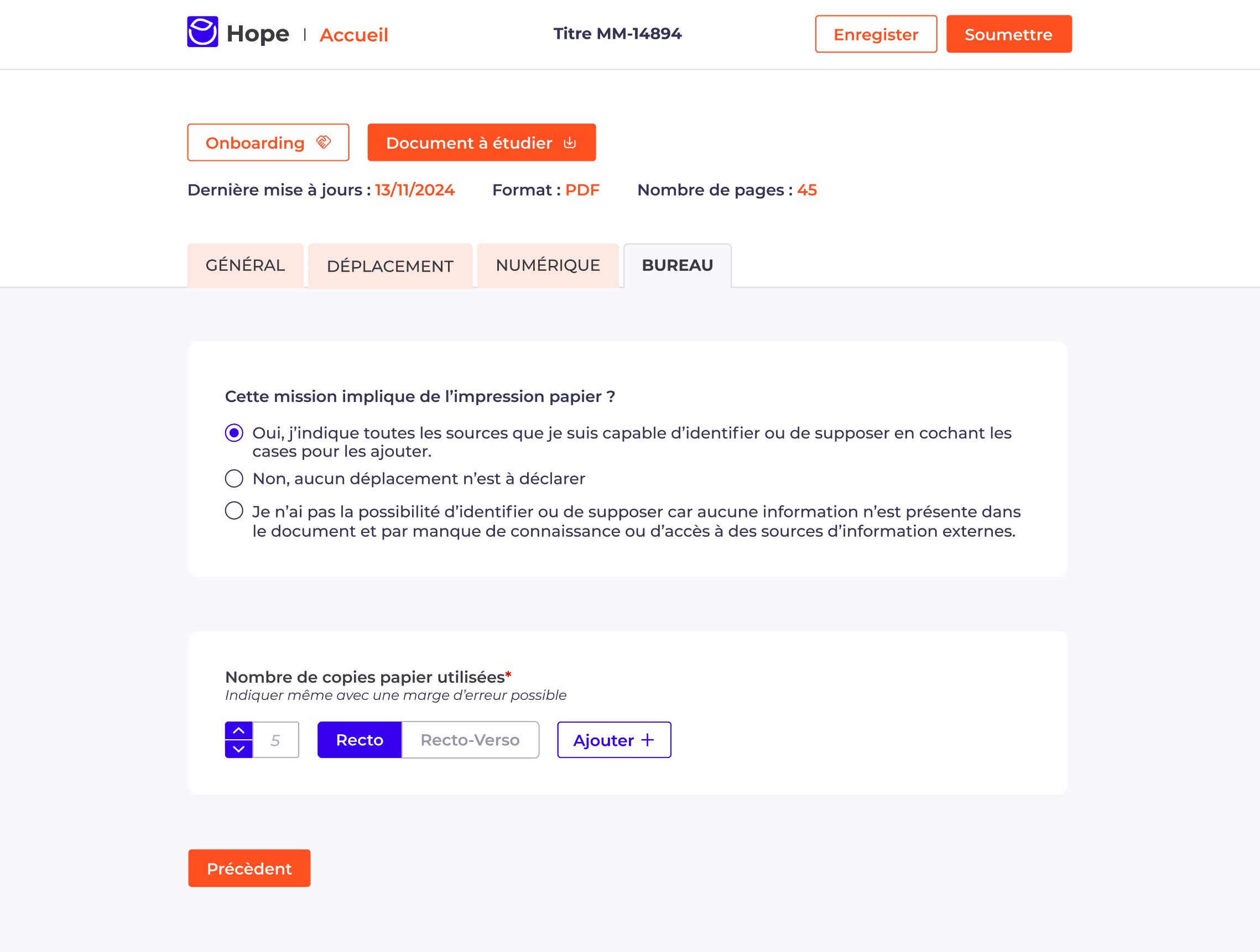
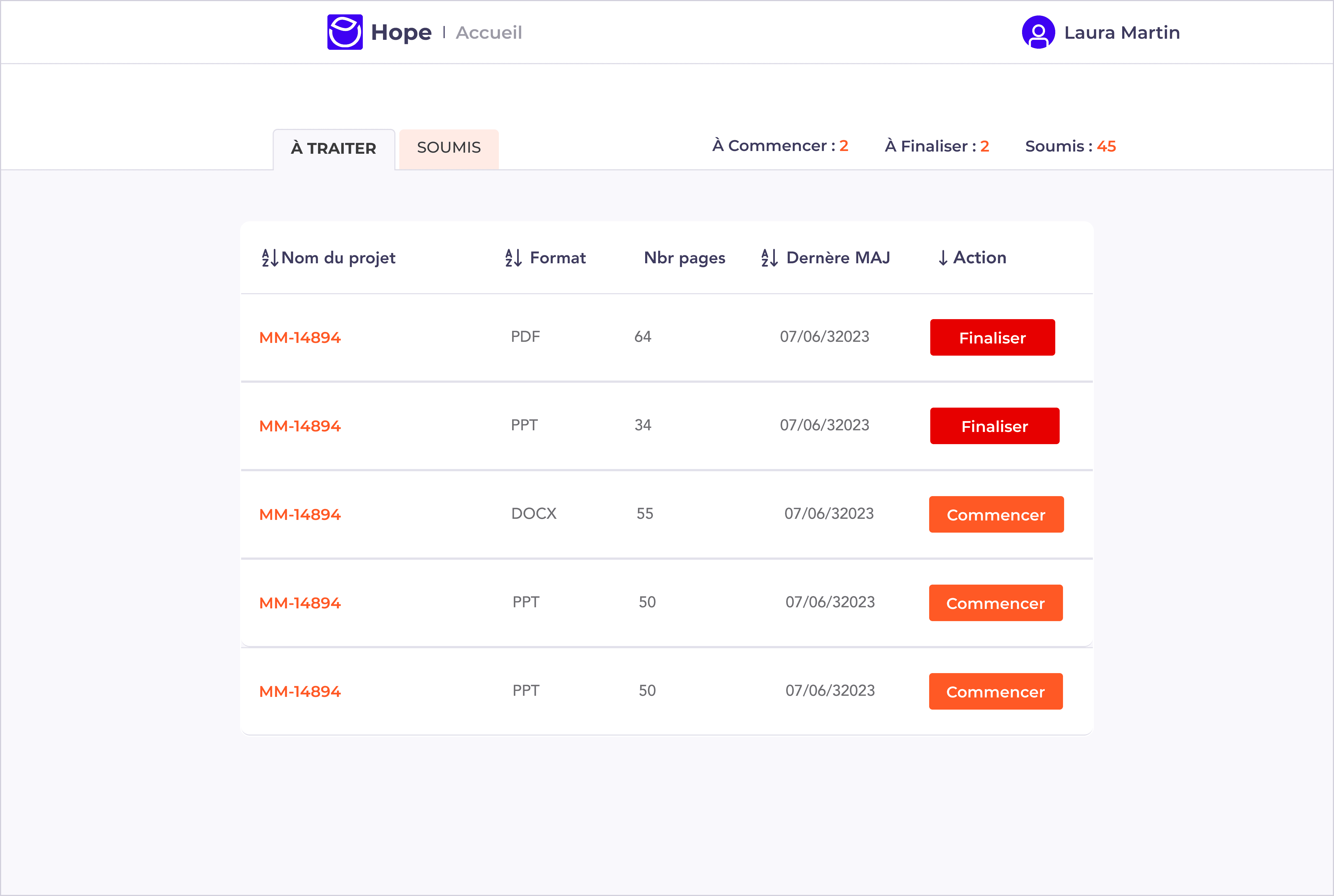
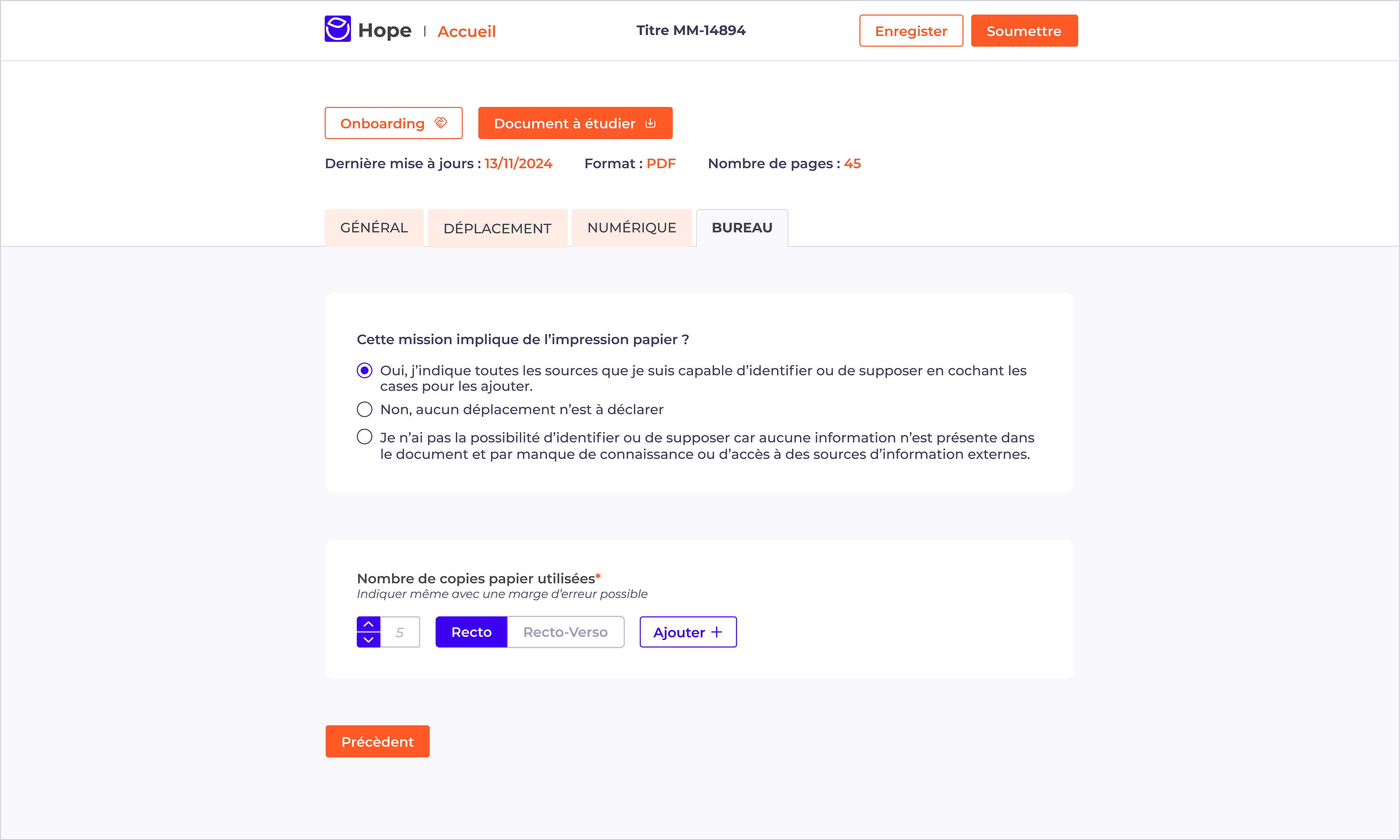
Hope is a data collection and labeling application designed to train a machine learning model to calculate the carbon footprint of business trips. The design challenge: turn what could feel like a tedious form into a smooth, engaging, and rigorous experience.
Why?
For a machine learning model to produce reliable estimates, it needs qualified human input — not just answers, but contextualized and verified data points. Without a well-designed flow, users provide rough guesses or drop off midway. Data quality is directly tied to experience quality.
How?
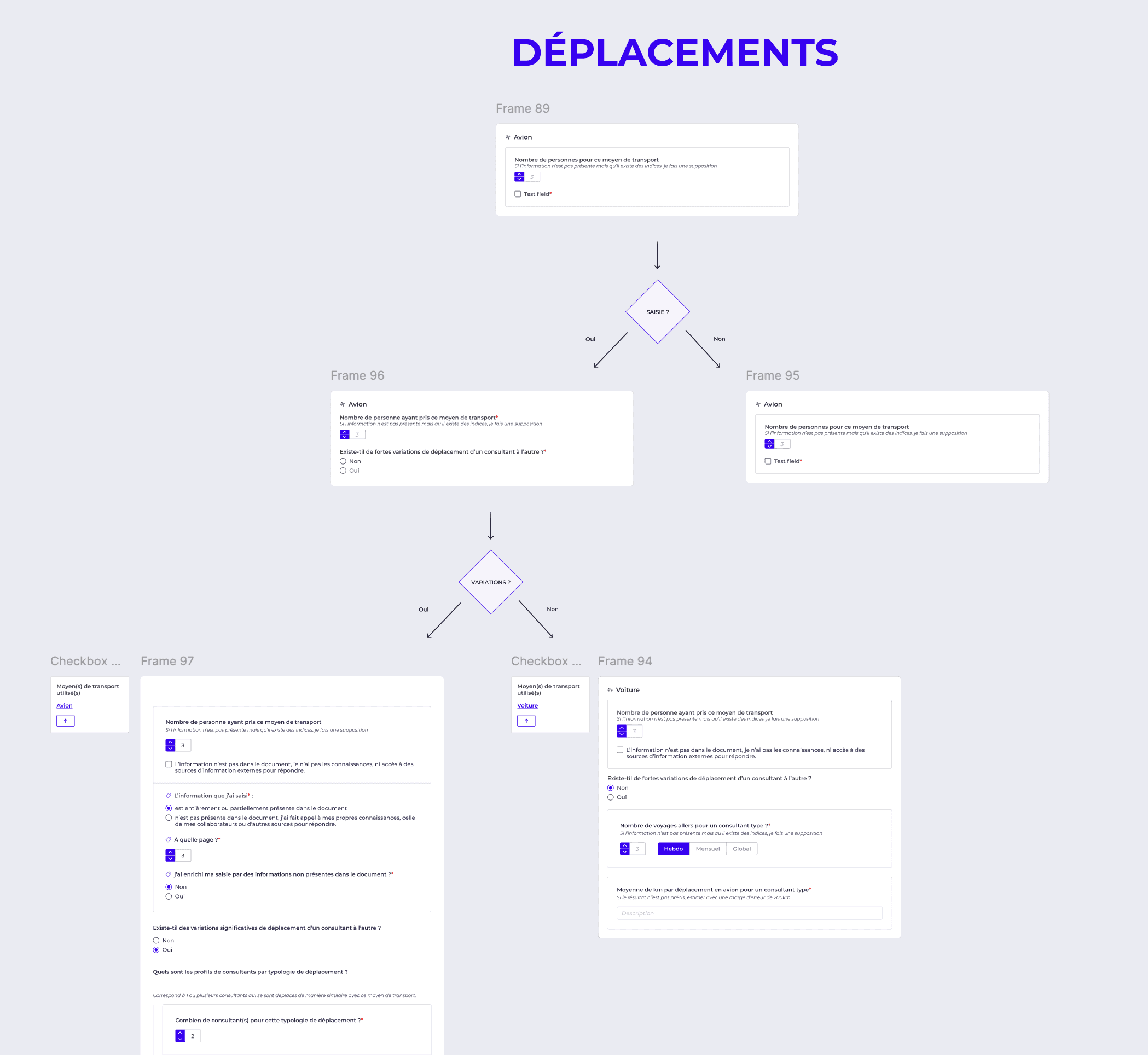
Research — Conducted guerrilla user interviews to understand completion barriers and users' mental models around carbon footprint. Mapped user flows to structure the data entry journey.
Design — Three design principles guided the process:
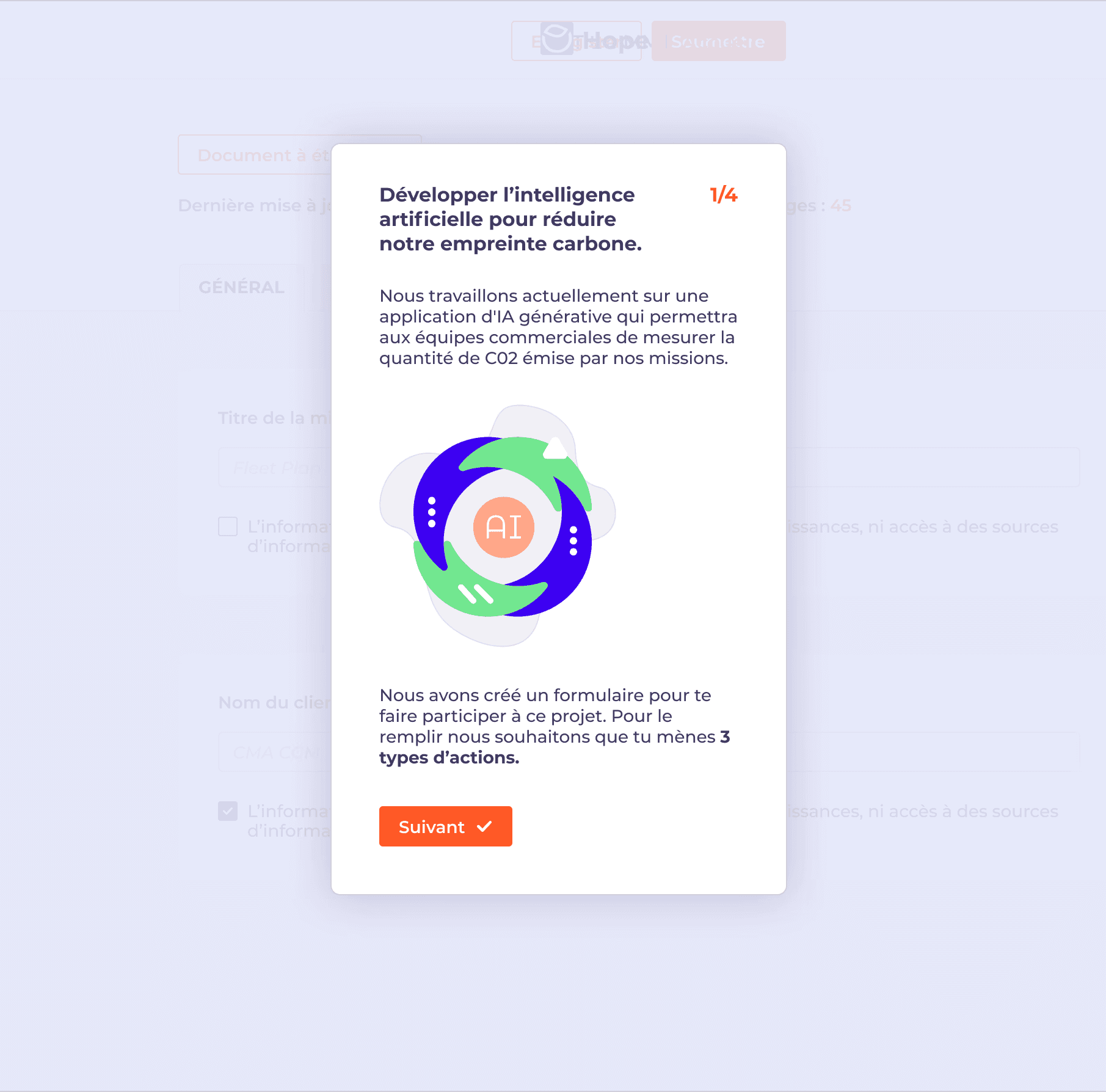
Onboarding — An introductory flow explains the purpose of the process before any data entry. Users understand why their contribution matters before being asked to act.
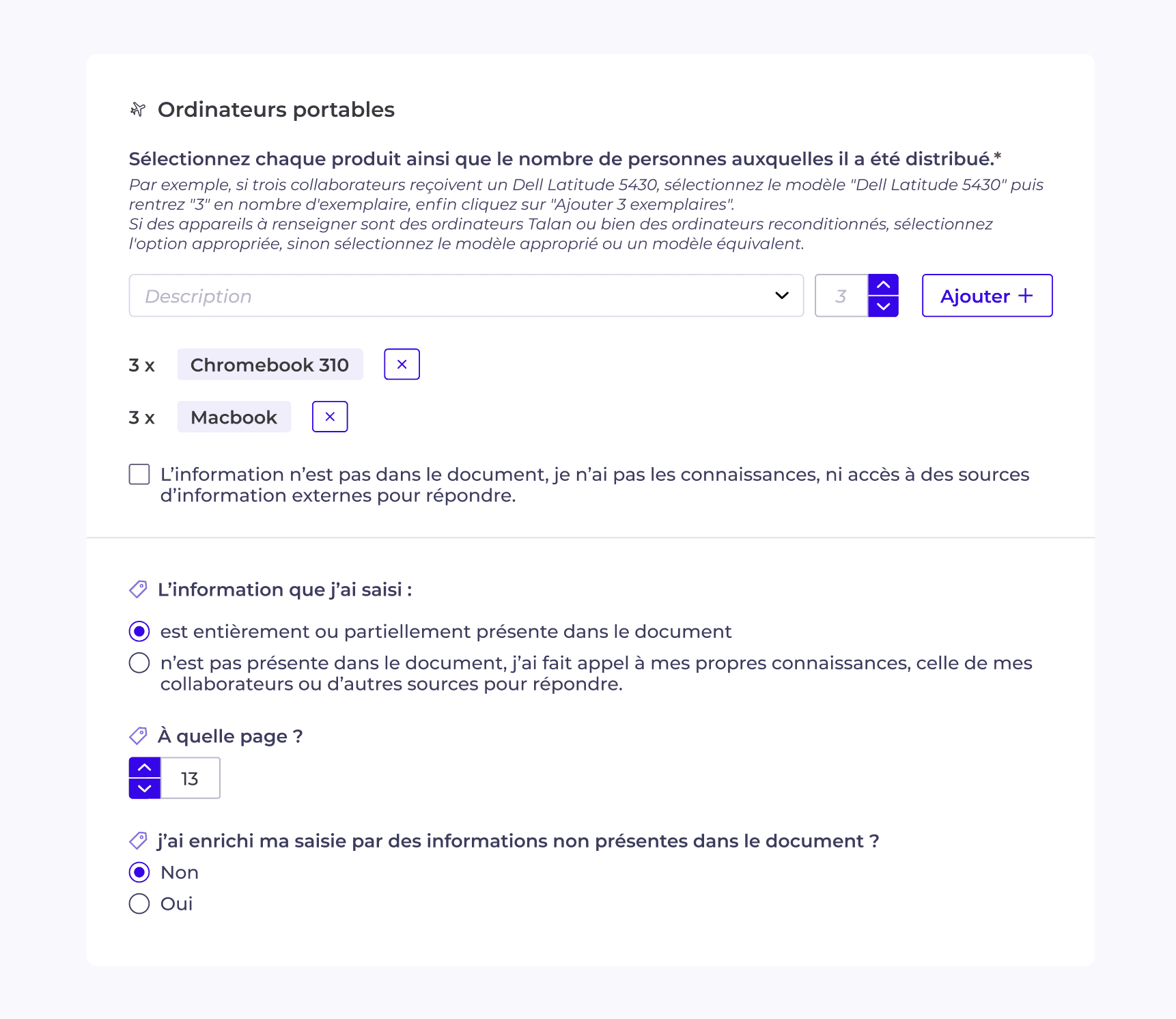
Progressive form — After each answer, a complementary labeling prompt appears: users indicate whether their response is a personal estimate, an inference, or verified information from a document. This mechanism ensures the data quality fed into the model.
Dedicated UI kit — Designed a project-specific component library to ensure consistency and readability across the entire flow.
Outcome
A structured data collection flow that produces robust, contextualized data to train the AI model — with each response qualified at the source. Onboarding reduces resistance to completion by giving meaning to the effort required.


Liens
Jean-François Migné, Designer
Product
UX UI
DATA
Branding